
Hound life
Behavioural advice
Greyhounds are clever, sensitive and wonderfully individual creatures. And while most are very good at the art of relaxation, there's plenty more they're capable of learning.
At GAP, we believe training should be a positive experience for everyone involved. Our approach is grounded in evidence-based, reward-focused methods that build confidence, encourage good behaviour and help you and your hound understand each other.
Because a happy, well-adjusted greyhound doesn't just make life easier. It makes life better for both of you.
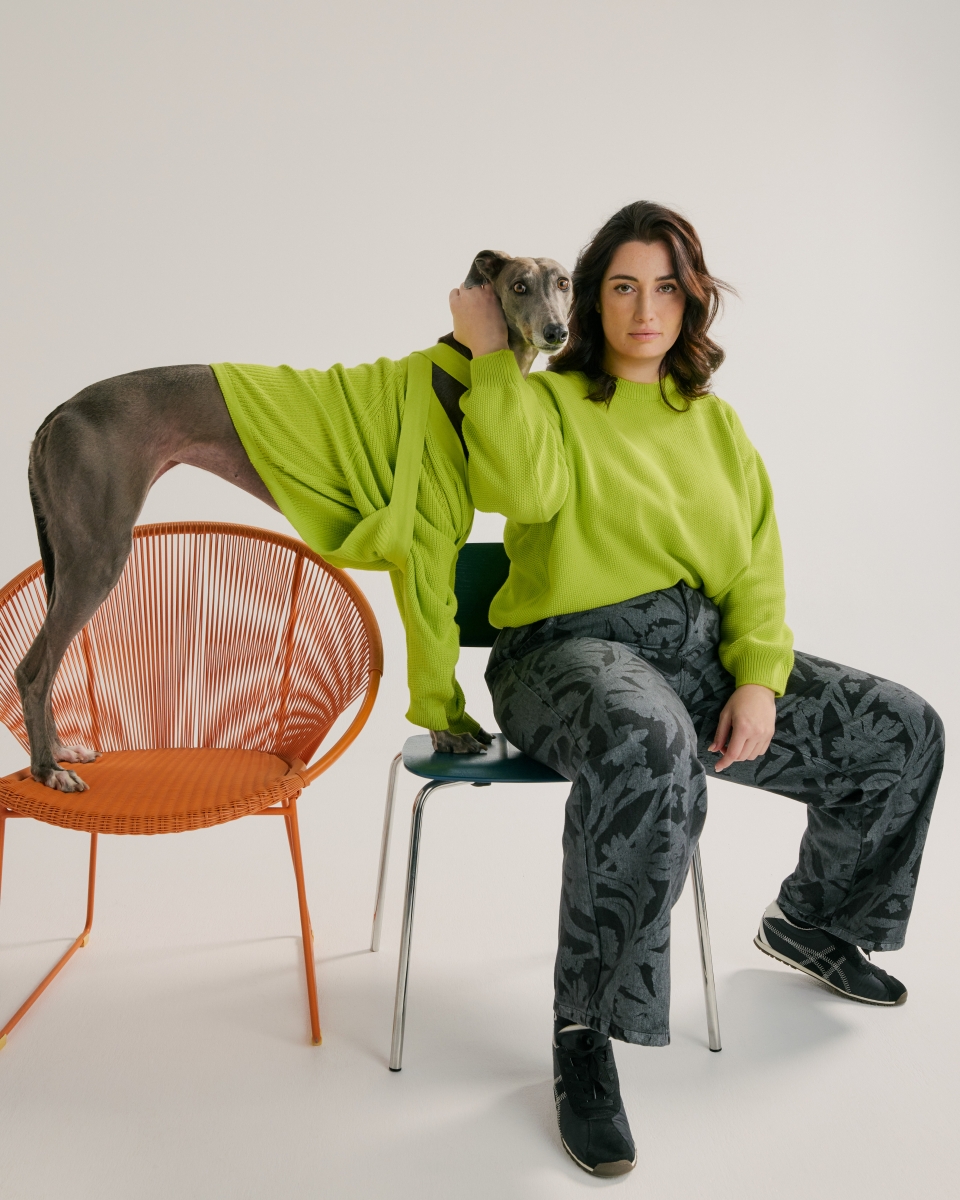
Why training matters
Good training is about much more than teaching your greyhound to sit, stay or come when called. It's about building trust, understanding each other and helping your dog feel confident in a world designed largely by humans, for humans.
And let's face it, some of our customs must seem pretty peculiar to a dog.
A little time spent training can make a world of difference:
Helping them find their feet. Give your greyhound the skills to navigate everyday life while still enjoying the natural behaviours that make them a dog.
More freedom, more adventures. Good manners and confidence mean your hound can comfortably join you in more places and experiences.
Learning to speak the same language. Training helps you communicate through words, gestures and body language, building understanding in both directions.
A stronger bond. Dogs enjoy learning, particularly when it's rewarding and fun. Those little moments of success help build a wonderful relationship.
Explore our training and behaviour resources below, and remember, the GAP team is always happy to help if you have questions.s.
Related guide (PDF):
Basic manners
The secret to good manners isn't particularly complicated. Encourage the behaviours you like, reward them when they happen, and make it harder for unwanted habits to develop in the first place.
Rewards might be tasty treats, favourite toys, games, praise, affection or simply getting to do something your dog enjoys, like heading outside or stopping for a particularly fascinating sniff.
Just as importantly, set your greyhound up to succeed.
If they're tempted to investigate what's on the dinner table, use a lead or baby gate to keep temptation out of reach. If they're still learning what they can chew, give them a safe, dog-proofed space with suitable toys rather than unrestricted access to your favourite shoes.
It's not about expecting perfection. It's about making good choices easy and rewarding.
Before you start training
A little preparation goes a long way.
Remember, you're not training for an obedience championship. You're helping your greyhound learn, build confidence and enjoy spending time with you.
Take care of the essentials. Make sure your greyhound has fresh water and has had a chance to go to the toilet.
Keep it short and sweet. Even two minutes while the kettle boils can be productive. A few short sessions throughout the day are often better than one long lesson.
Keep it fun. Take breaks for play or affection, and watch your dog's body language. If they're tired, distracted or uncomfortable, it's time for a breather.
Bring something worth working for. Small pieces of chicken, cheese, dog roll or other dog-safe treats can work wonders. Experiment to discover what your hound finds particularly irresistible.
Training with a clicker or marker word
Wouldn't it be wonderful if you could tell your greyhound the exact moment they've done something right?
Well, you can. Almost.
A clicker or a simple marker word like "yes" lets you pinpoint the behaviour you want to reward. Think of it like taking a photograph of that precise moment.
For example, imagine you're teaching your greyhound to leave a treat alone. You cover the treat with your hand, and naturally, your hound investigates. But the moment they move away, even slightly, you click or say "yes", then reward them with a different treat.
That little signal tells your dog exactly which choice earned the reward.
With consistent timing and a bit of practice, it becomes a wonderfully clear way to communicate.
Social hound
For many greyhounds, moving into a family home means discovering a world that's quite different from the one they've known.
New people, unfamiliar animals, household noises and everyday routines can all take some getting used to. It's perfectly normal for a newly adopted greyhound to feel uncertain or anxious while they adjust.
The most important thing in those early days is helping your hound feel safe, secure and understood.
Take introductions slowly, give them space when they need it, and focus on building trust before expecting them to take on too many new experiences.
A little patience at the beginning can lay the foundations for a very special friendship.
For more advice on those important first days and weeks, take a look at our settling in guide.